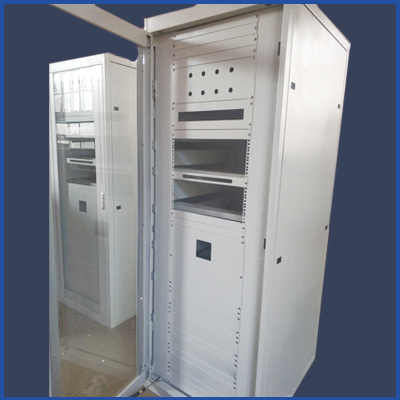
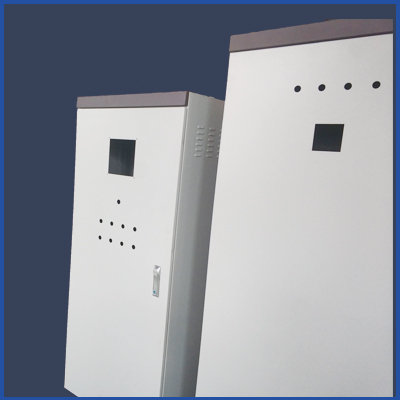
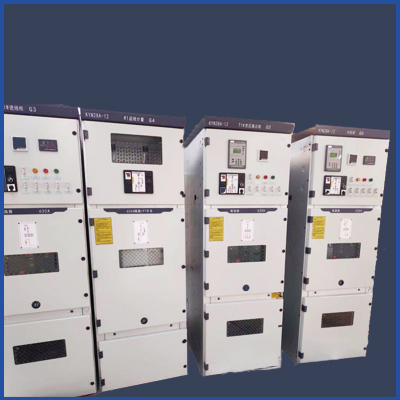
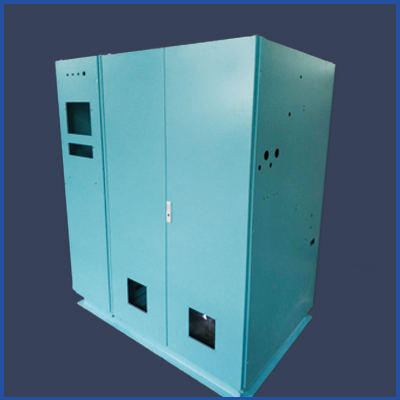
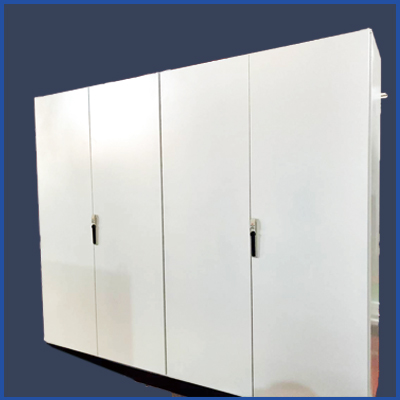
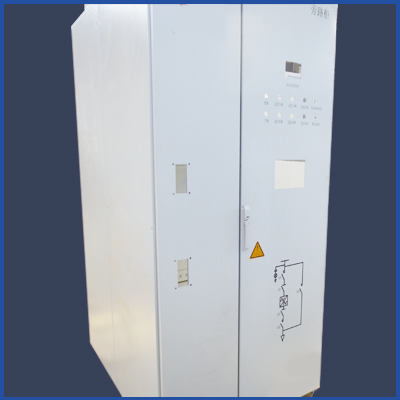
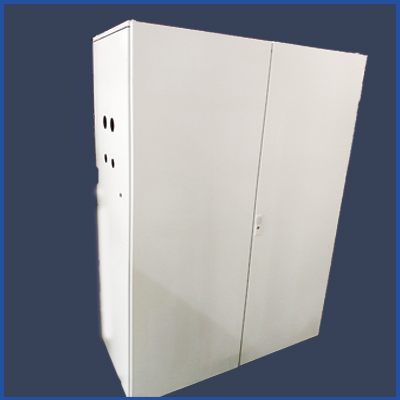
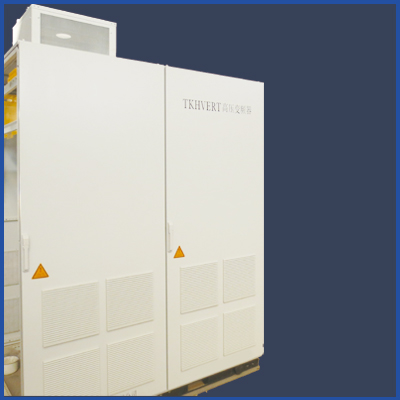
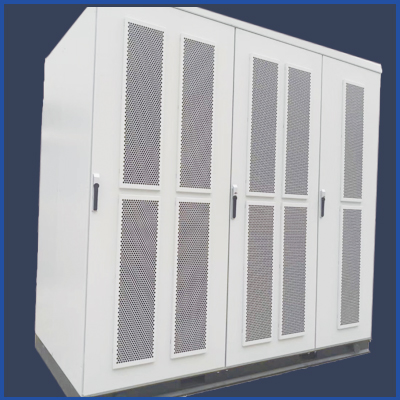
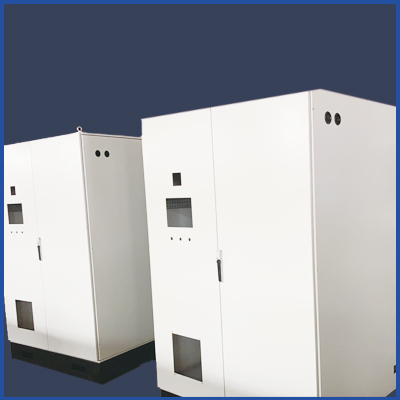
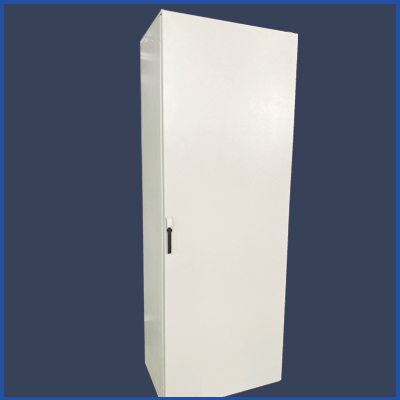
機箱機柜作為承載服務器、網絡設備及電力設施的核心載體,其安裝后的空間布局直接影響設備運行穩定性、散熱效率及性。根據行業規范與實際運維需求,機箱機柜與周圍物品需保持合理距離,這一要求主要基于以下四方面考量。
As the core carrier of servers, network equipment, and power facilities, the installation space layout of chassis cabinets directly affects the stability, heat dissipation efficiency, and safety of equipment operation. According to industry standards and actual operation and maintenance needs, it is necessary to maintain a reasonable and safe distance between the chassis and surrounding items. This requirement is mainly based on the following four considerations.
散熱需求是首要技術指標。設備運行時產生的熱量若無法有效散發,將導致內部溫度升高,進而引發性能下降、元件老化甚宕機風險。通常建議機柜前后預留少80厘米的散熱通道,確保冷熱空氣自然循環;頂部需與天花板保持60厘米以上距離,避免熱空氣積聚;若采用封閉機柜,則需配置強制排風裝置,并在進風口與出風口位置確保無遮擋物。
The heat dissipation requirement is the primary technical indicator. If the heat generated during device operation cannot be effectively dissipated, it will lead to an increase in internal temperature, which in turn can cause performance degradation, component aging, and even downtime risks. It is usually recommended to reserve at least 80 centimeters of heat dissipation channels in front and behind the cabinet to ensure natural circulation of hot and cold air; The top should maintain a distance of at least 60 centimeters from the ceiling to avoid the accumulation of hot air; If a closed cabinet is used, a forced exhaust device must be installed and there should be no obstructions at the inlet and outlet positions.
維護操作空間關重要。日常巡檢、設備增減及線纜管理均需充足操作區域。機柜前方應保留1.2米以上的活動空間,便于技術人員站立操作及工具使用;后方需留出0.8米檢修通道,以滿足電源模塊更換、線纜插拔等精細化作業需求;側面若需鄰近其他機柜,間距應不小于0.5米,防止相鄰設備開門時發生碰撞。
Maintaining operational space is crucial. Adequate operational areas are required for daily inspections, equipment additions and deletions, and cable management. A movable space of at least 1.2 meters should be reserved in front of the cabinet for technicians to stand and operate, as well as for tools to be used; A 0.8-meter maintenance channel needs to be left behind to meet the needs of refined operations such as power module replacement and cable plugging; If it is necessary to be adjacent to other cabinets on the side, the distance should not be less than 0.5 meters to prevent collision when adjacent equipment opens the door.
防火規范不可忽視。機房環境需符合消防標準,機柜與可燃物之間應保持0.5米以上隔離距離,降低火災蔓延風險;若配置氣體滅火裝置,噴嘴覆蓋范圍內嚴禁存放障礙物,確保滅火劑均勻分布;強電設備與弱電機柜間距建議保持在1米以上,避免電氣故障引發次生災害。
Fire safety regulations cannot be ignored. The computer room environment must comply with national fire safety standards, and a distance of at least 0.5 meters should be maintained between cabinets and combustibles to reduce the risk of fire spread; If a gas fire extinguishing device is installed, it is strictly prohibited to store obstacles within the nozzle coverage area to ensure even distribution of the fire extinguishing agent; It is recommended to maintain a distance of at least 1 meter between strong electrical equipment and weak electrical cabinets to avoid secondary disasters caused by electrical failures.
電磁兼容與物理防護需求。高頻設備機柜需遠離大型變壓器、電梯馬達等強電磁干擾源,間距通常要求2米以上;精密儀器機柜建議設置獨立防靜電地板區域,周邊避免堆放金屬制品;對于戶外安裝場景,機柜與圍欄、植被等需保持1米以上距離,防止外力碰撞或小動物侵入。
Electromagnetic compatibility and physical protection requirements. High frequency equipment cabinets should be kept away from strong electromagnetic interference sources such as large transformers and elevator motors, with a distance of usually more than 2 meters; It is recommended to set up an independent anti-static floor area for precision instrument cabinets and avoid stacking metal products around them; For outdoor installation scenarios, the cabinet should be kept at a distance of at least 1 meter from fences, vegetation, etc. to prevent external collisions or small animal intrusion.
實際部署中,距離需結合設備功率、機房規模及通風系統綜合設計。例如,高密度計算集群需采用冷熱通道封閉技術,通過精確氣流組織縮小無效空間;模塊化機房則可通過預制通道組件優化空間利用率。定期進行三維掃描與熱成像檢測,可動態評估空間布局合理性,及時調整障礙物位置,確保設備始終處于運行環境。
In actual deployment, the safety distance needs to be designed comprehensively based on equipment power, machine room size, and ventilation system. For example, high-density computing clusters require the use of cold and hot channel closure technology to reduce ineffective space through precise airflow organization; Modular computer rooms can optimize space utilization through prefabricated channel components. Regular 3D scanning and thermal imaging testing can dynamically evaluate the rationality of spatial layout, adjust obstacle positions in a timely manner, and ensure that the equipment is always in the optimal operating environment.
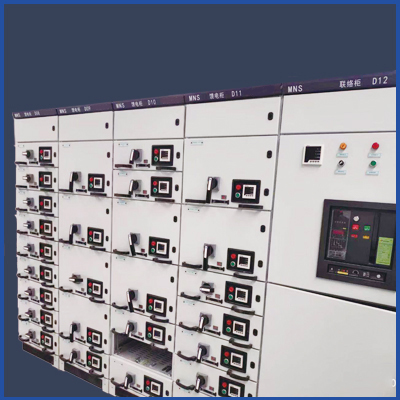
This article is a friendly contribution from Shandong MNS low-voltage drawer cabinet For more information, please click: http://www.zhaowenjy.com We will provide detailed answers to your questions. You are welcome to log in to our website and leave a message






 TEL:0531-69922480 18866409905
 EMAIL:jntyhc@163.com
  公司地址:濟南市槐蔭區經十西路3788號
 備案號:魯ICP備09028695號-3
魯公網安備37010402441282號
備案號:魯ICP備09028695號-3
魯公網安備37010402441282號
 首頁
首頁 產品
產品 電話
電話 置頂
置頂